- 1,200+: battery fires in UK waste trucks and waste sites in a single year, up 71 per cent, started by products small enough to carry into a store.
- £158 million a year: the public cost of lithium-ion waste fires in the UK, across waste operators, fire services and environmental damage. A 2021 estimate, from before the surge.
- 98%: the share of deposit bottles and cans returned in Germany. Worth almost nothing as material, identified by barcode, refunded in the store.
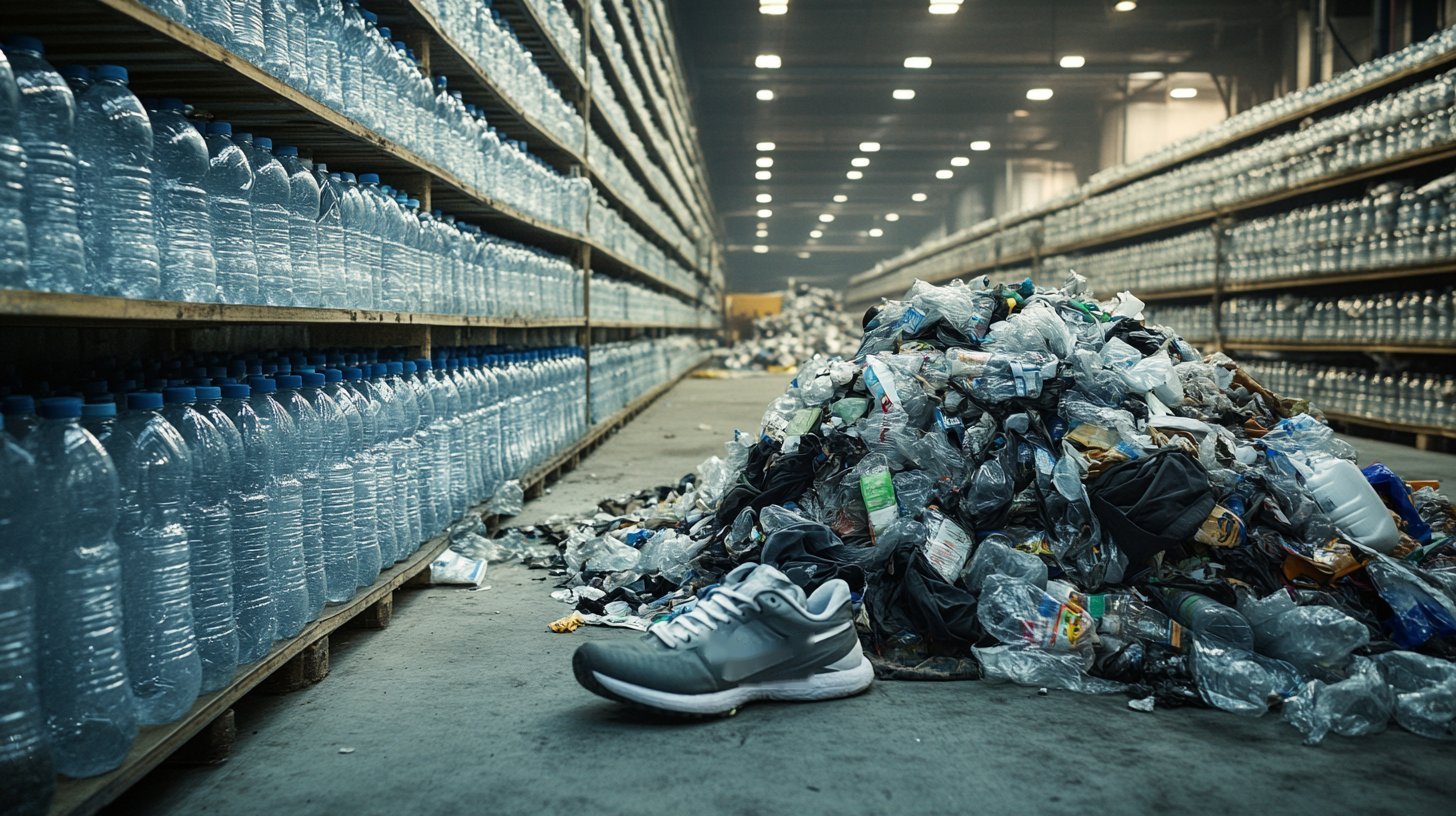
The bottle gets scanned, refunded, and comes back 98 times in 100. The battery misses its collection target across a third of Europe. The vape starts a fire in a waste truck. Same products, same shops, same customers.
The difference is not the objects, or the customers - it is the system design for each.
The scheme that works
Germany gets back 98 per cent of its deposit bottles and cans. Twenty years of deposit have made returning them cultural, so it is fair to ask whether the deposit or the culture is doing the work.
Slovakia answers that: its system launched in 2022 and passed 90 per cent within two years.
Across Europe’s deposit systems the median is 91 per cent, and return rates track the size of the deposit almost mechanically. The deposit builds the habit, and the habit then looks like culture. Pay people, in a store they already visit, and they return things. The customer’s behaviour is the proof that the incentives are aligned.
Look at what is being returned. An empty bottle is worth almost nothing as material. By the rule in part one, where collection follows the value of the object, it belongs in the bin. It comes back 98 times in 100.
The machine does three things
Watch a reverse vending machine for a minute and you see the whole design:
- ✓It identifies the product. A barcode scan, eligibility confirmed in half a second.
- ✓It confirms the person. Not by name, but well enough to hand them money: a voucher, redeemed at the till.
- ✓It pays the incentive on the spot.
Notice what that proves. Identifying a product at the point of return, confirming the person who brought it, and paying them for the trip are not hard problems waiting for a solution. They are solved infrastructure, running at national scale, hosted in ordinary retail stores, and funded by producers. The question is not whether this can be done. It is why it is only done for bottles.
In the Netherlands, the refund mechanic goes a step better. The machine prints a credit, and at the supermarket till it is applied to the next shop in the same moment. The trip that returns the empties is the trip that buys the groceries.
The refund never really leaves the store. In US data, 80 per cent of people spend their deposit refund in the store where they returned the containers; a study across four European countries found shoppers who brought back empties spent up to 50 per cent more on that visit than shoppers who did not.
And the scheme pays the store for its role: Dutch return points received 84 million euros in compensation in 2024, with 132 million euros of unclaimed deposits going back into running the system. The Dutch system is young and still short of its 90 per cent target, at 72 per cent of bottles and 77 per cent of cans in 2024. The refund design, though, is the one every stream should copy.
This is our argument for everything that follows: get the deposit and the cost allocation right, and the value the returning customer creates for the retailer is what pays for the scheme. The customer is the most valuable feature of every system.
Fires are at crisis levels
In the UK, 6.3 million vapes and pods are still thrown away every week, a full year after the ban on disposables. Batteries in waste trucks and facilities started more than 1,200 fires in a year, up 71 per cent; one national waste company logs a battery fire a day. The public cost of lithium-ion waste fires was estimated at 158 million pounds a year in 2021, before the surge.
Portable batteries across the EU: 49 per cent collected, against a target that rises to 63 per cent by 2027 and 73 by 2030, with a third of member states below 40. Small electronics: 40.6 per cent, against a 65 per cent target.
Every one of these products can be carried into a store, and for every one of them, a store is already obliged to take it back. The systemic access is in place.
It is not performing as well as it could for one reason - the customer finds there is a bin: no identification of the product, no confirmation of the person, no incentive, no data. The opposite of the scheme that works, in the same buildings.
A dead vape is the empty bottle’s opposite. The recoverable metals inside, around 0.15 grams of lithium and a couple of grams of copper, are worth roughly two pence, but handling a lithium battery safely costs more than the metals’ return. The rule from part one extends far below zero. The more negative an object’s value at the end of its life, the stronger the incentive to return it needs to be.
The cost imbalance is more severe than a t-shirt - mishandled; a vape starts fires. The stream with the most negative value in consumer retail currently has no incentive at all.
Where is the money going?
The fees producers pay in these streams fund processing, and campaigns that ask people to do the right thing. Deposits outperform campaigns for a simple reason: they stop asking and start paying. The people who handle the waste have reached the same conclusion. Last month the UK waste industry proposed a five-pound refundable deposit on vapes.
And nothing about the bottle machine is specific to bottles: every vape, battery pack and device crosses a till carrying a barcode, and the store is already the mandated venue. The pieces all exist. No scheme has assembled them for the streams that need them most.
One step further, and the economics change
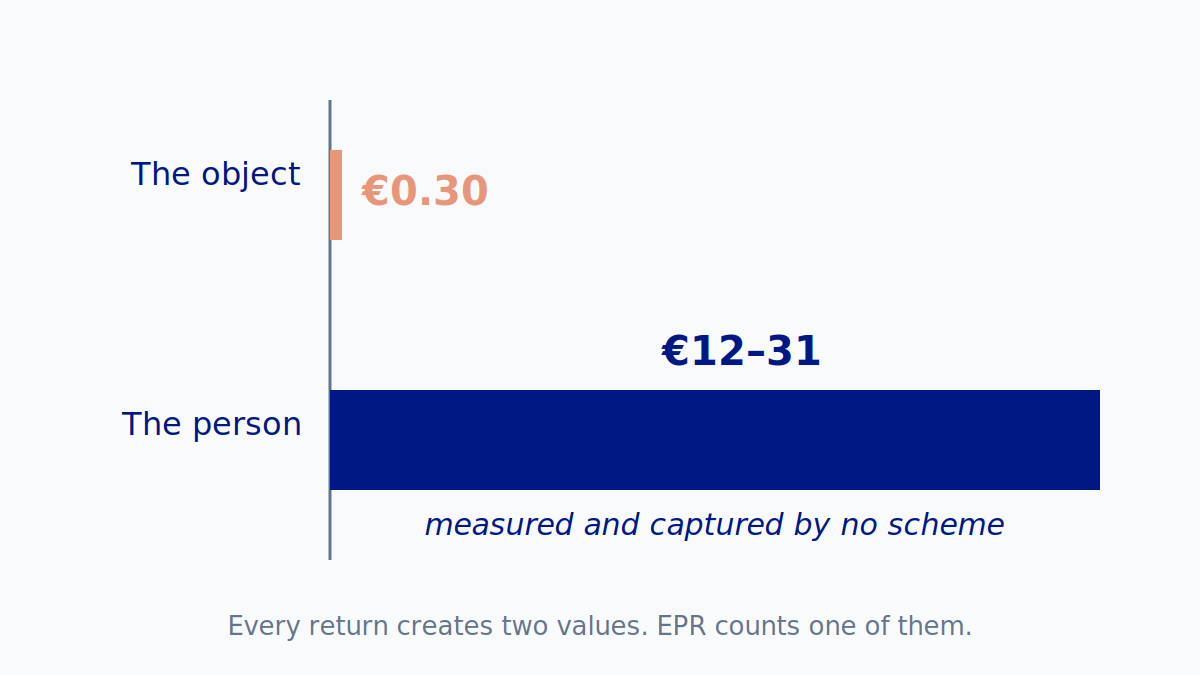
Now notice the gap. Even the Dutch machine, handing its credit straight into the next shop, keeps nothing: not the return history, not the consent, not the relationship. Part one explained what that moment is worth to a retailer or a brand when the customer agrees to be known. A return with consented identification pays for itself.
Who should want this? The producers already funding every scheme in this article, and the retailers already hosting every bin in it. What they get back under the status quo, and what they could get instead, is part three.
The same store, a metre apart
One last detail about vapes. Every buyer is age-verified at every purchase. The identification the stream needs at the point of return already happens at the point of sale, in the same store, a metre from the bin. Count the product and the customer at the return, pay for the trip, and the streams on fire start to look like the scheme that works.
Full evidence base, with sources, on our research pages. Part one: the most valuable opportunity just walked in the door. Part three: what the payers get back.