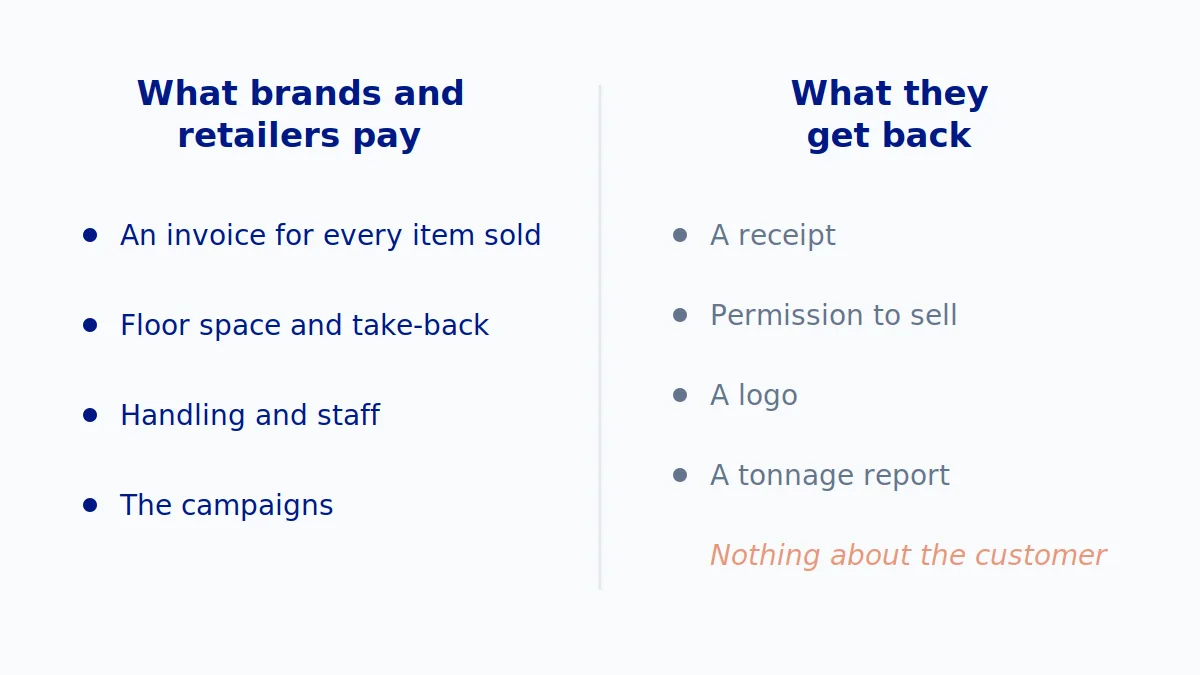
Brands and retailers pay for the entire system. What they get back is a receipt.
Part three of three: the payers, the value they already capture everywhere else, and what the fee could buy instead.
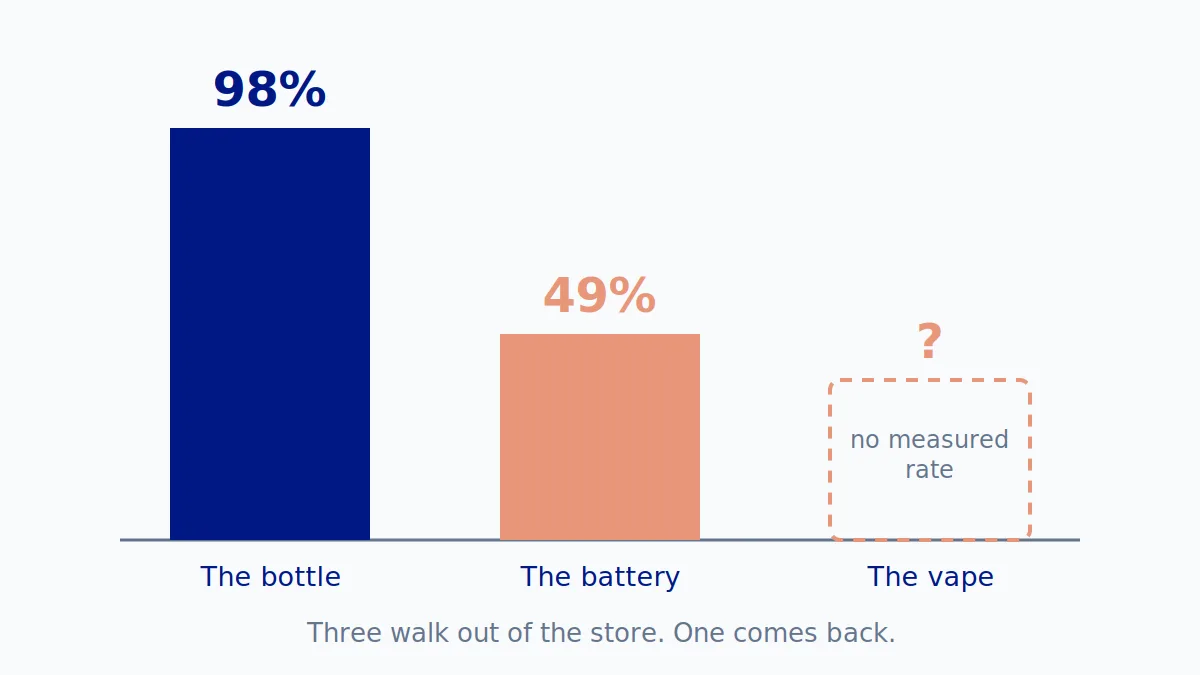
A plastic bottle, a vape and a lithium battery walk out of the store. Only one of them ever comes back.
Part two of three: what deposit returns prove about identification and incentives, and the streams that need the lessons most.
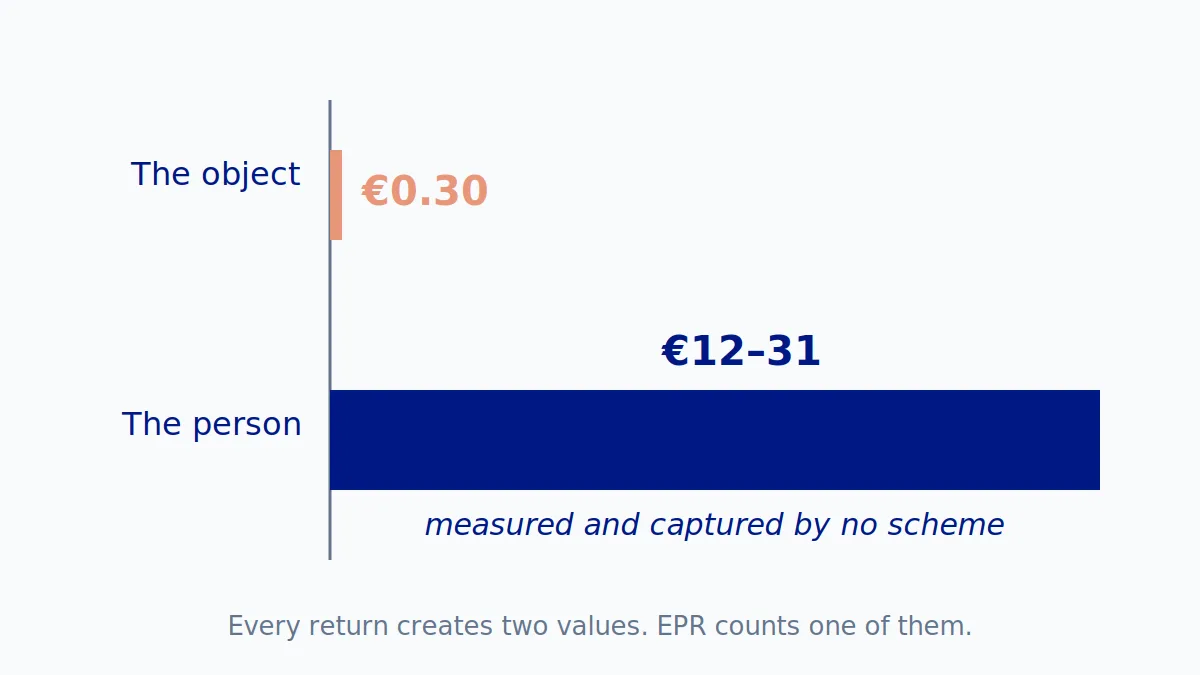
While EPR schemes work out how to fund scale, the most valuable opportunity just walked in the door
Extended Producer Responsibility in plain language, and the value it does not count: the person at the point of return is worth more than the material.
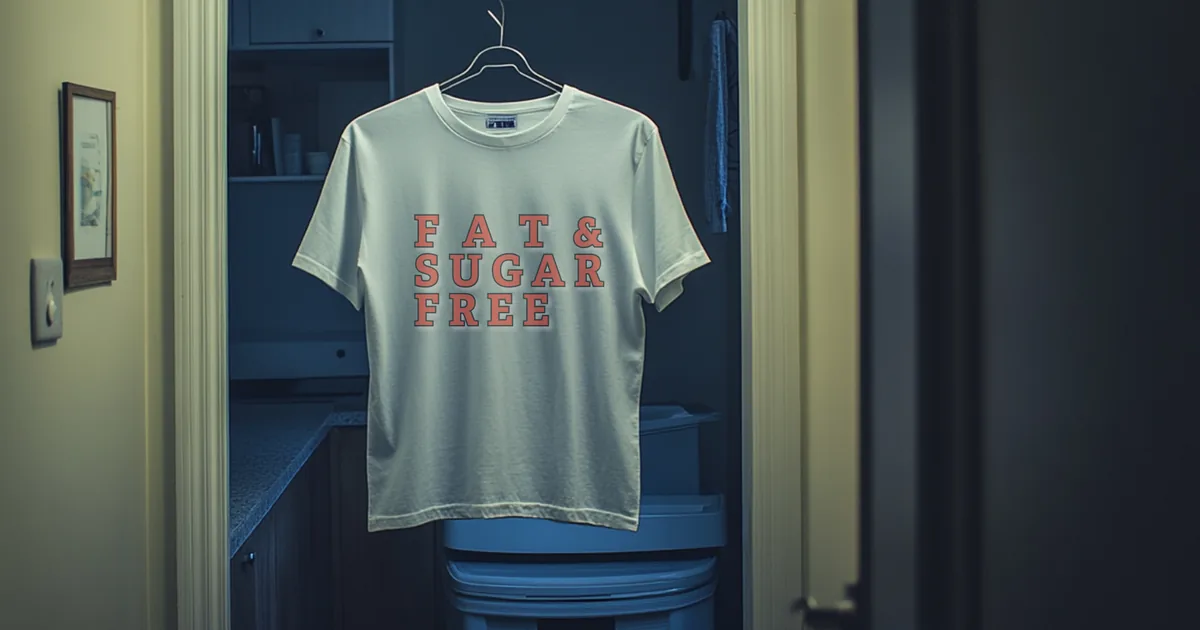
From 'fat free' to 'fast fashion': information may change what people buy, but not what they consume.
The Digital Product Passport standards deserve support. But information loses to price, convenience and reward, and circularity is decided at the household bin.
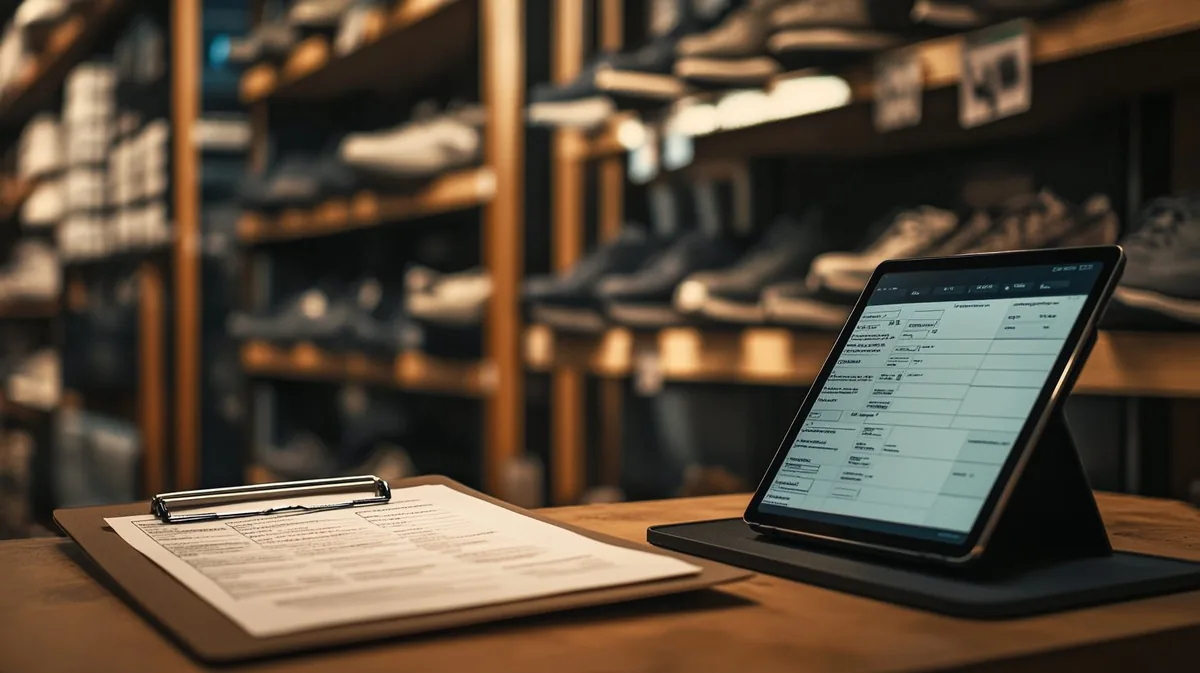
Your sustainability claims are only as good as the evidence behind them
Three EU rule changes land between July 2026 and 2027. For marketing and ESG teams, what you can say is now only as good as what you can document, item by item.

It isn't the rules that keep retail marketing quiet on sustainability
Sustainability sells, yet marketing has gone quiet on it. The reason is not the rules. It is the fear of getting it wrong, and the silence is slowing progress.
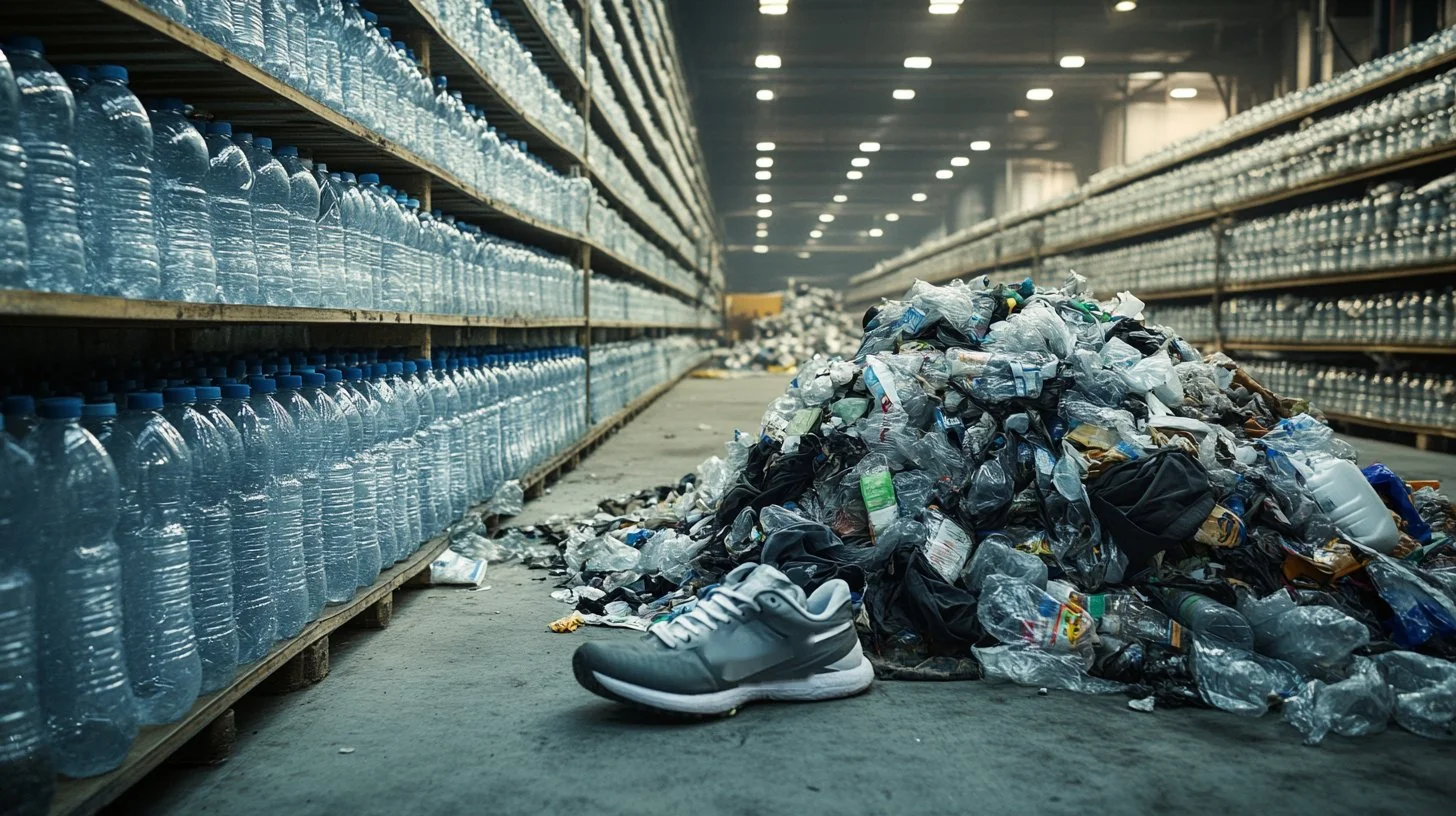
Germany returns 97% of bottles, under a third of old electronics
Germany brings back over 97% of its deposit bottles and under a third of its old electronics. The difference is a coin on the return.

The compliance gap nobody owns: why awareness isn't readiness
97% of European companies have heard of the Digital Product Passport. But it only describes new product. Most of what comes back carries no passport at all.

You're not a visionary, you're a vendor
'Sustainability' tries to mean everything and ends up meaning nothing. Why narrowing to what's material is the way out of the burnout, and the way back to value.

Just like love, sometimes impact is not enough
Two industry reports describe a conversation moving away from impact at the same moment the case for impact has never been clearer. The third act this industry has not yet been offered.

The trajectory says 2071 for the EU's 2030 textile ambition. Our research sets out the case for retail take-back as the channel that closes the gap.
At the current rate of improvement, the EU textile capture rate hits the 2030 base case ambition somewhere around 2071. We published a white paper setting out the evidence for retail take-back as the channel that closes the gap.

Once bitten… now we're scaring brands away from trying at all
Crocs has launched in-store takeback in Singapore. A pair of donated shoes turned up in a Jakarta market three years ago, freshly cleaned and reused. The disclosure framework around takeback programmes calls reuse a scandal when it was promised as recycling. Why a Digital Product Passport will not fix this, and what PROs and authorised operators can.

SHEIN, the Cheshire Cat, and the Data Wonderland
Customer participation is the data that turns sustainability from a compliance line into a contribution line. It is missing from almost every emerging standard. Here is why that matters, and what an unlikely source did about it.

The bin in the home is the enemy. You cannot trace your way out of that.
Every conversation about circularity comes back to product data. The industry is chasing perfection on the product. The real unknown is the person at home with two options in front of them.

Sustainability has been polite long enough
The global circularity rate fell from 9.1% to 6.9% while industry discussion tripled. The scorecard is the problem, not the values.

A Third Gets Collected. The Rest Had Good Intentions.
Collection targets are doubling across textiles, electronics, and batteries. Participation design hasn't changed. The behavioural science of incentives reveals a double ceiling most programmes cannot see.
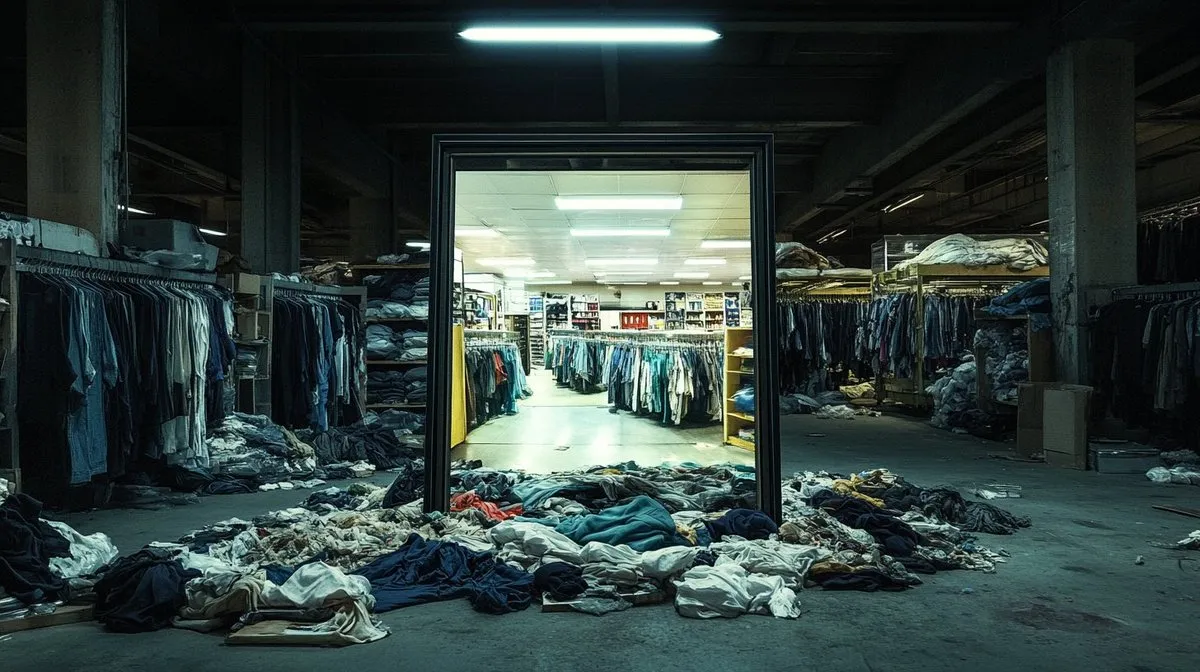
SHEIN's Consumer Report Holds Up a Mirror. We Should Not Look Away.
SHEIN surveyed 15,461 consumers: 43% want physical take-back bins. Digital product passports ranked last. What this means for retailers building collection infrastructure.
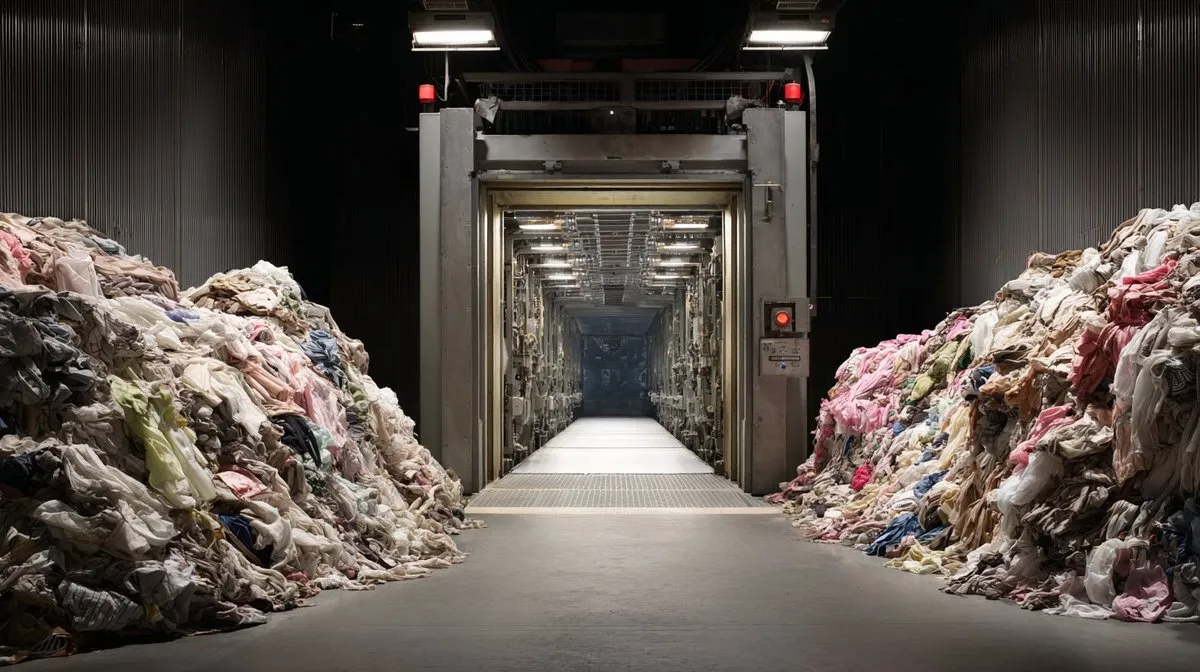
All Cotton T-Shirts Are Equal. But Some Are More Equal Than Others.
A cotton recycler needs 95% purity. Syre needs polyester. Infinited Fiber needs 88% cotton. Contamination is killing textile recycling at scale, and verification is the missing piece.
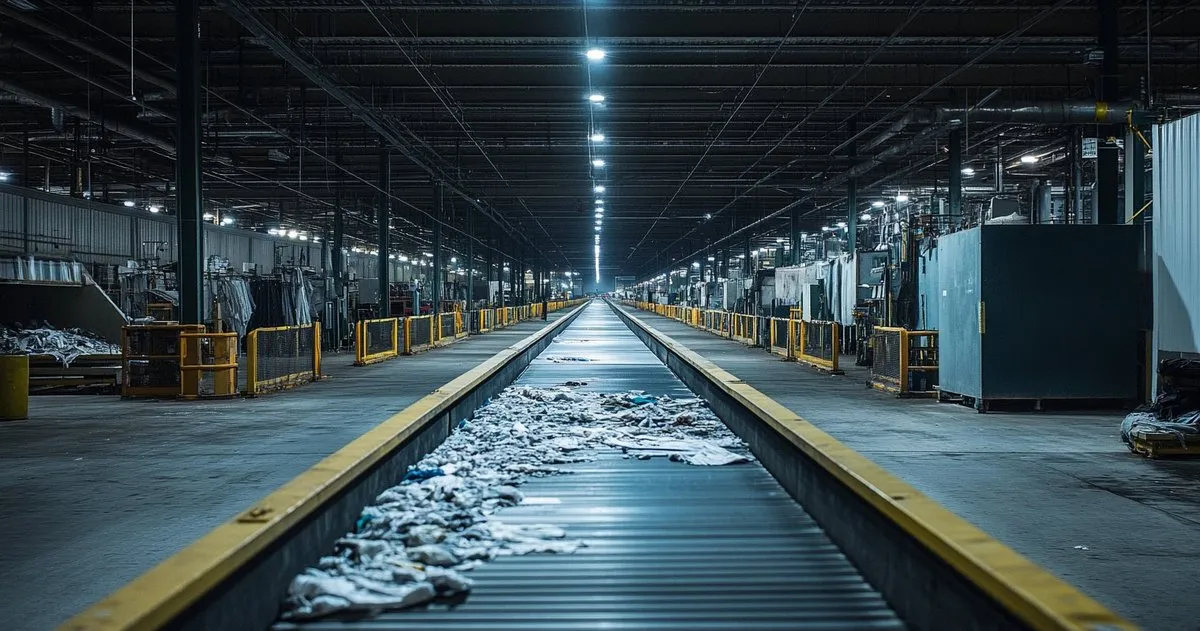
A 50,000-tonne polyester recycling plant doesn't need 50,000 tonnes of mixed textiles. It needs 50,000 tonnes of polyester.
Renewcell raised $200M and went bankrupt because feedstock never arrived. Billions more are flowing into recycling plants. Who is building the collection infrastructure?
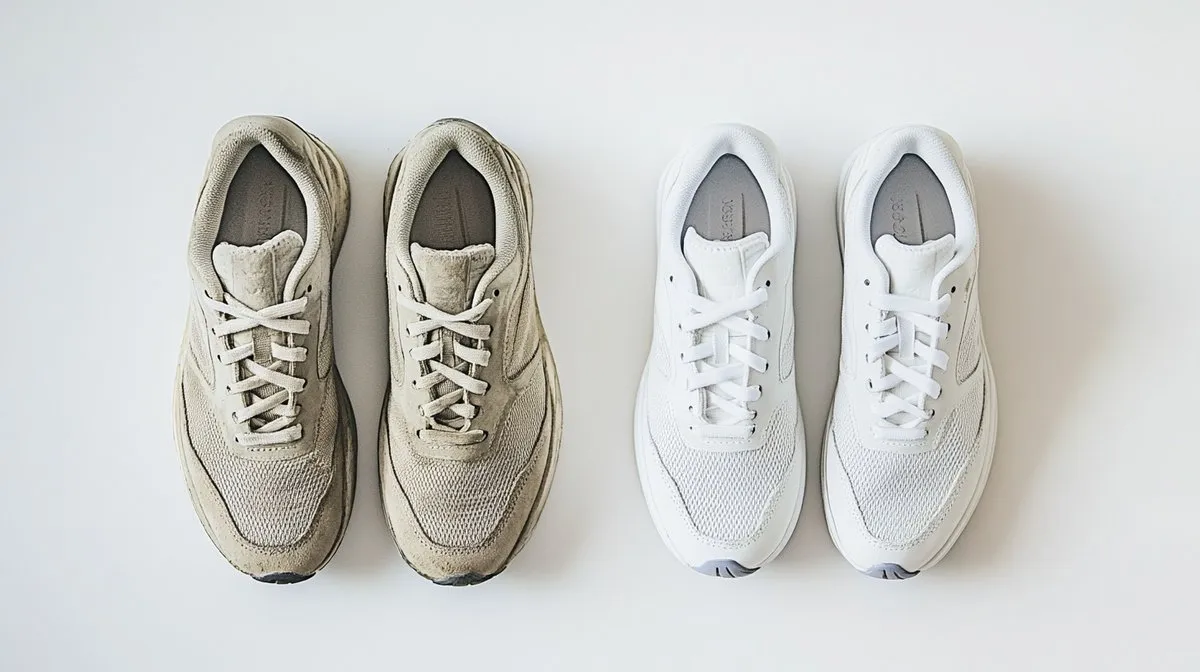
Running Is Booming. Sales Are Breaking Records. So Where Are Last Year's Pairs?
Running participation is at record levels. Brands are posting record growth. But end-of-life investment hasn't kept pace. The fix is simpler than anyone thinks.
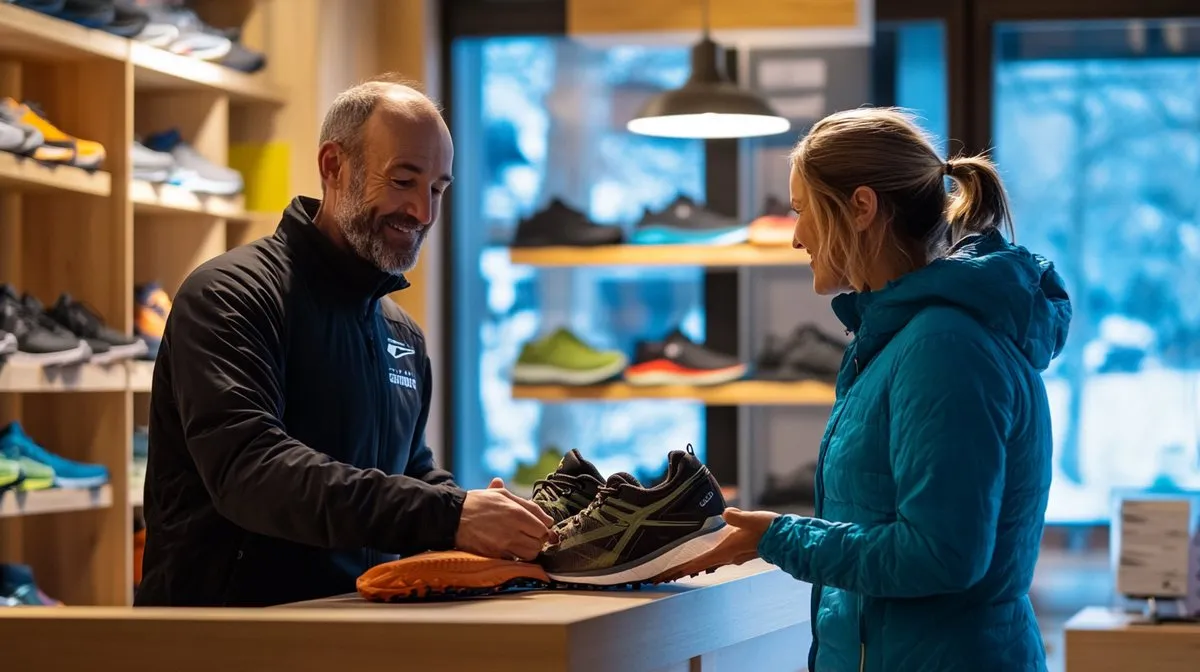
Repair Gets the Spotlight. Take-Back Gets the Leftovers. That's a Problem.
Repair matters, but for the vast majority of end-of-life products, take-back needs the investment. The energy imbalance doesn't match the scale of the problem or the opportunity.
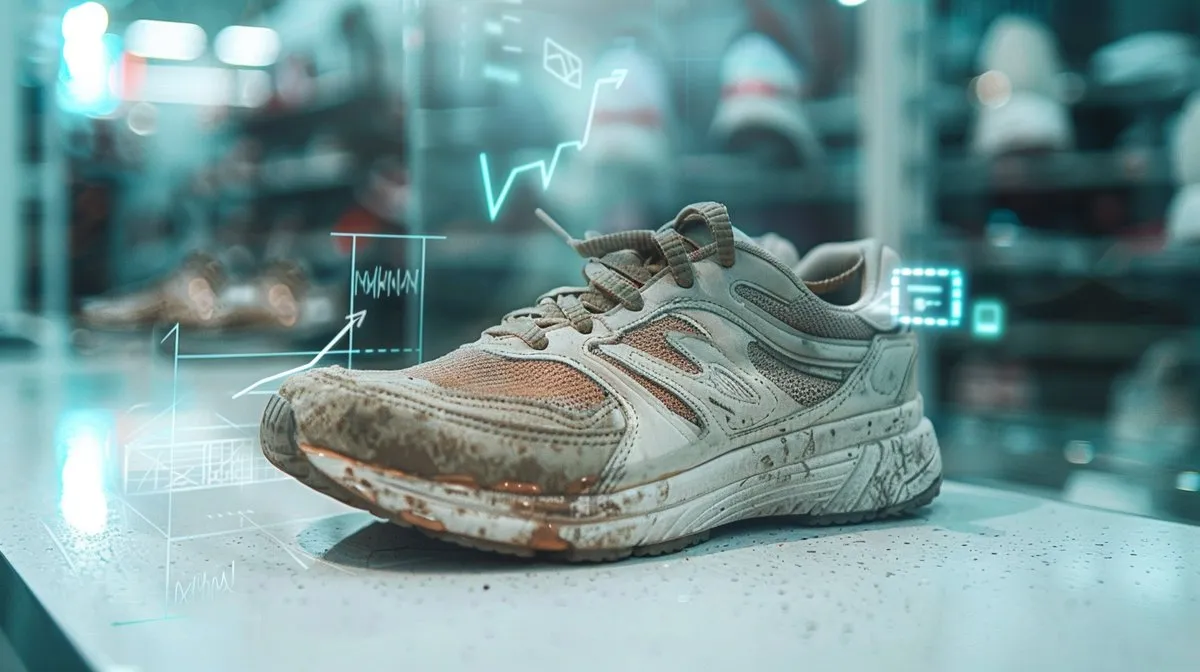
The take-back counter is outperforming your paid social. You just haven't captured it yet.
Most retailers treat take-back as a cost. The numbers say it's one of the cheapest, highest-intent customer acquisition channels available, if you capture the data.
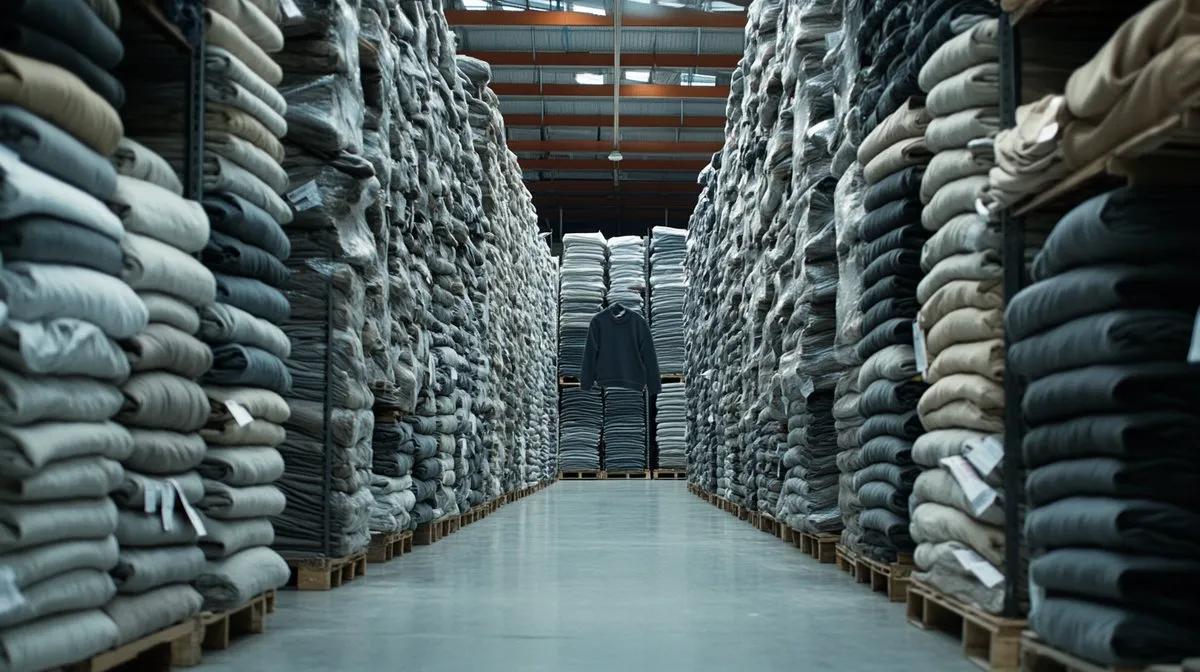
The Economics of Waste: How Fashion Normalised Destruction, and Why Brands and Retailers Now Share the Burden
The fashion industry quietly absorbed the cost of destroying usable products. New EU rules don't just ban destruction; they demand evidence brands genuinely tried to prevent it.

Scaling Impact Means Getting Over the Consumption Dilemma
Sustainability teams avoid commercial levers. Brands want growth-friendly sustainability. Consumers won't change without convenience. Everyone's waiting for someone else to move.
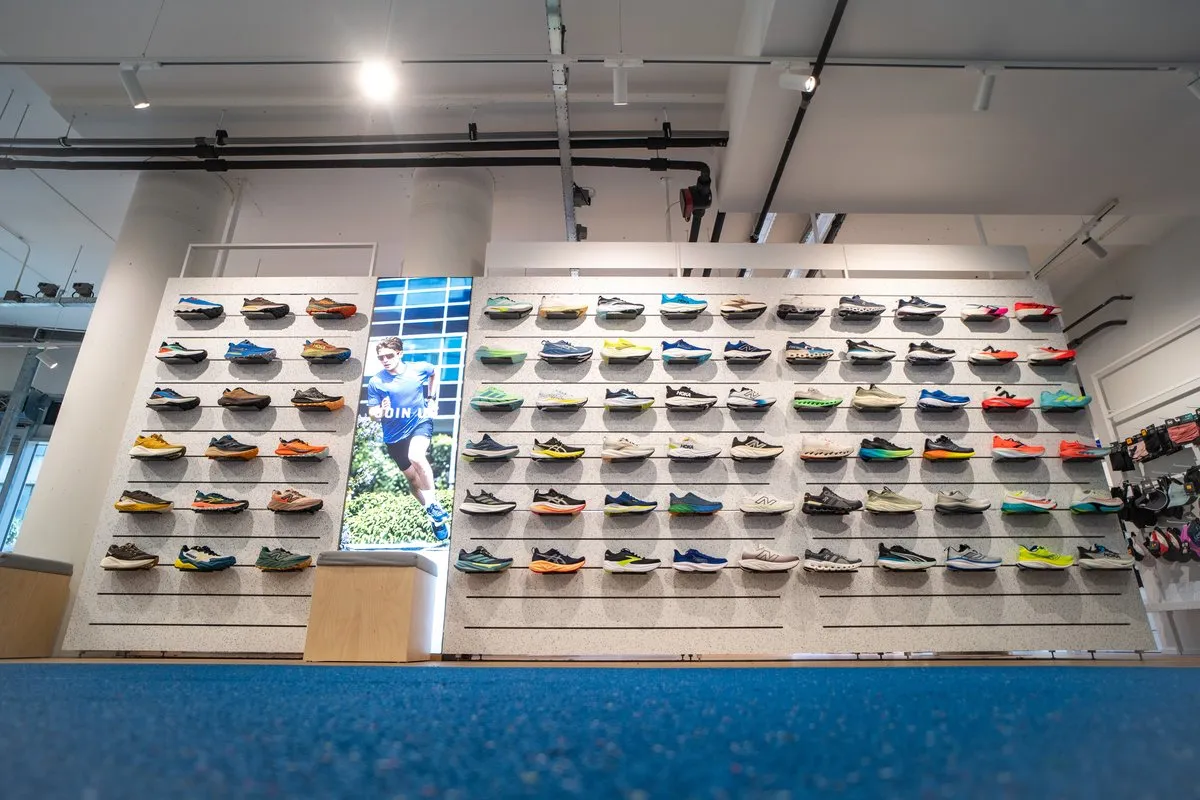
Turning In-Store Shoe Take-Back Into Customer Connection: A Case Study from the Netherlands
How a Netherlands shoe take-back pilot proved the four-stakeholder data model. From an initial five-store pilot in 2025 to an ongoing nine-store deployment producing measurable consumer-engagement data.

EU Textile EPR Is Now Law: Here's What Retailers and Brands Need to Do Next
The EU's updated Waste Framework Directive introduces Extended Producer Responsibility for textiles. If you sell clothing or footwear in the EU, you're now responsible for end-of-life.
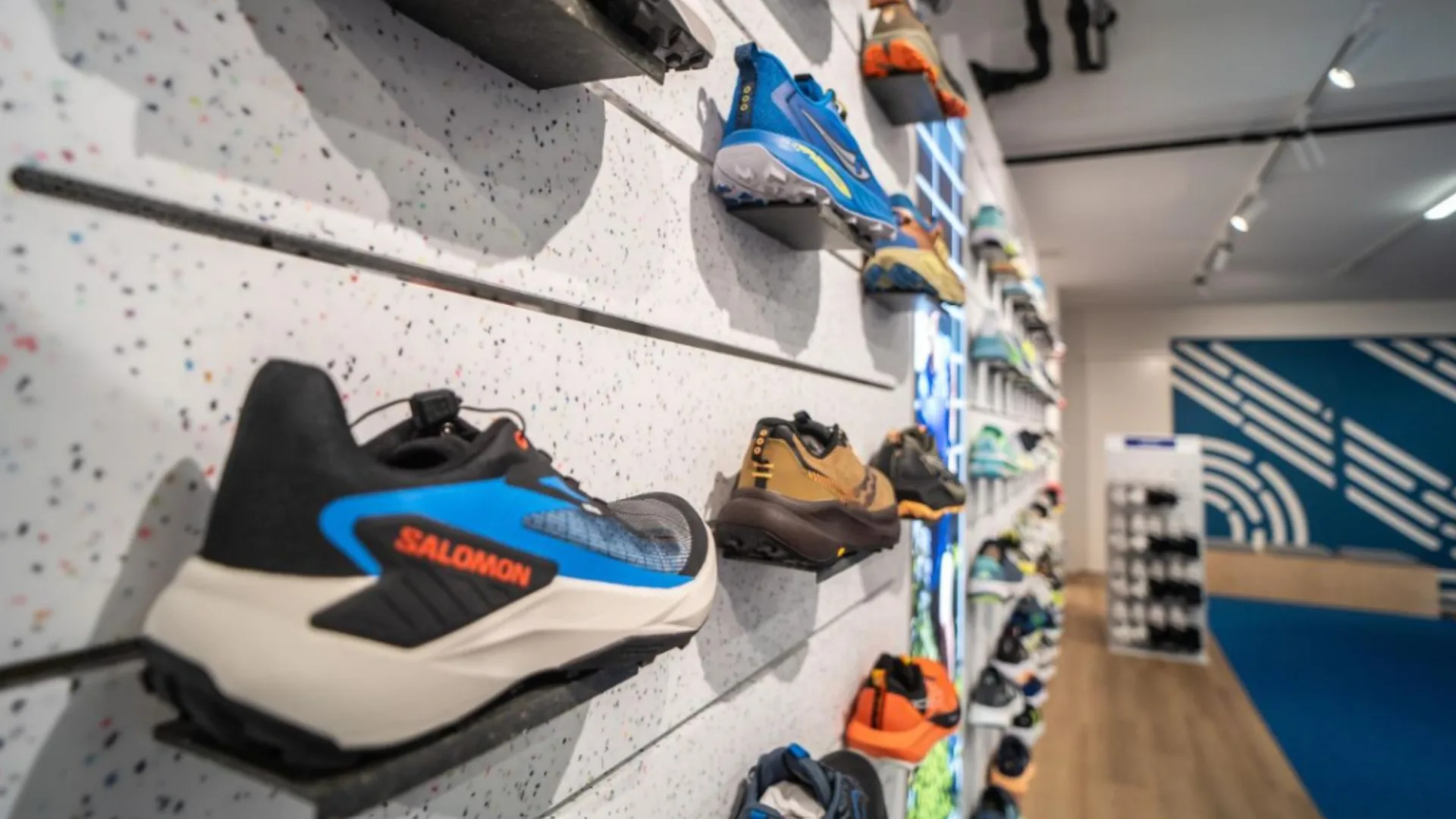
Utilitarian live in first Runnersworld and Intersport stores in Europe
Utilitarian launches its in-store take-back app across Runnersworld and Intersport stores in the Netherlands, with the opening of The Loop circular concept store in Eindhoven.